
The first step is already half the journey
Visit Emilia aims to make sustainability a cornerstone of its tourism policies: enhancing local supply chains (Product Networks), slow and outdoor tourism, and food and wine culture, with the goal of increasing tourist flows while promoting off-season travel and a balanced distribution of visitors across cities, rural areas, and the Apennines.
Community well-being, heritage preservation, and the quality of the visitor experience are the defining features of a sustainable region.
Adherence to GSTC criteria serves as a driver for continuous improvement based on measurable goals, monitoring, stakeholder engagement, and transparency.
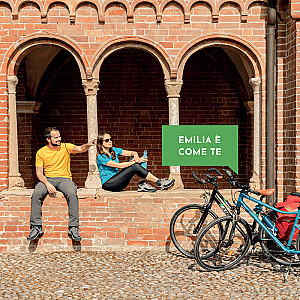
The cultural and historical identity of the Visit Emilia region is rooted in art, music, gastronomy, and deeply embedded local traditions. The three main cities alone are well worth a trip.
Parma, Italian Capital of Culture 2020–2021, houses masterpieces by painters such as Parmigianino and Correggio, alongside Leonardo da Vinci’s famous Head of a Woman (La Scapigliata), in addition to major cultural institutions like the Complesso Monumentale della Pilotta.
Reggio Emilia is the birthplace of the Italian Tricolor flag, celebrated in the Museo del Tricolore, but it is also a destination for contemporary art lovers. The bridges and the Mediopadana High-Speed Railway Station designed by architect Santiago Calatrava are world-renowned examples.
Piacenza is the city of the Gothic Palace (Palazzo Gotico) in Piazza Cavalli, the Cathedral with Guercino's dome, Santa Maria di Campagna with frescoes by Pordenone, and Palazzo Farnese, whose museums house the famed "Etruscan Liver" and Botticelli's Tondo.
find out moreThe network of the Castles of the Duchy of Parma and Piacenza, together with the Matildic Castles and numerous medieval villages, constitutes a widespread heritage of immense historical and tourism value, alongside the historic pilgrimage routes that wind through them.
Destination Emilia is inextricably linked to the figure of Maestro Giuseppe Verdi (born in Roncole, near Busseto, and lived in Villanova d’Arda in the Piacenza area). Parma was the birthplace of Arturo Toscanini (birthplace open to visitors), and Paganini, who lived for a period near Parma, is now buried at the Villetta Cemetery. Historic theatres are numerous: Teatro Farnese in Parma (the oldest), Teatro Regio in Parma (Verdi Festival), Municipale in Piacenza, and Teatro Valli in Reggio Emilia are just the most well-known, but many others organize opera, theatre, concert, and ballet seasons (Aterballetto). Destinazione Emilia periodically organizes the Teatri Aperti event to showcase these cultural gems, from the smallest to the largest, even behind the scenes.
Parma has been a UNESCO Creative City of Gastronomy since 2015, the first in Italy. Local cuisine is not just an economic activity, but a true identity-defining tradition, passed down through village festivals, historic osterias, Wine and Food Routes, Food Museums, and cooking schools such as ALMA – The International School of Italian Cuisine, based at the Reggia di Colorno. It is no coincidence that the area is identified as Italy's Food Valley.
Destinazione Emilia also has the highest concentration of PDO and PGI products in the entire Emilia-Romagna region.
The thermal offering of the area includes the locations of Monticelli Terme, Cervarezza, and Salsomaggiore Terme with Tabiano Bagni. The waters are salt-bromine-iodine and sulfurous, providing a variety of curative treatments. The wellness offering has also recently been strengthened in Salsomaggiore with the opening of Palazzo Berzieri (a unique example of thermal Art Deco) by the well-known brand QC Terme.
Five golf courses complement the leisure offering, also providing the opportunity for a touring holiday across the provinces of Parma, Piacenza, and Reggio Emilia. Furthermore, numerous cycling routes, along with events and competitions organized throughout the year, make Emilia an area particularly suited for cycling holidays, from the Po River to the Apennines.
- 2015 - Parma was named a UNESCO Creative City of Gastronomy. It is home to EFSA, the European Food Safety Authority, ALMA, the International School of Italian Cuisine, and a unique system of Food Museums. Parma was the Italian Capital of Culture 2020+2021. Parma - Creative Cities Network
- Baptistery of Parma, included among UNESCO sites of astronomical interest UNESCO Portal to the Heritage of Astronomy - Show entity
Discover the Culture & Castles Product Network
Discover the Food & Wine Product Network
- Do not remove artifacts, fragments, or materials from archaeological sites and natural areas: even a small object revealed by the ground is part of a heritage that belongs to everyone.
- Respect the visiting rules of each site, established also to ensure its long-term preservation.
- Do not touch, scratch, or damage artworks, monuments, and historic structures.
- If you witness acts of damage or unauthorized removal of cultural heritage, report it to site staff or the relevant local Superintendency.
The protection of cultural heritage is governed at the national level by Legislative Decree 42/2004 and, for the international circulation of goods, by Regulation (EC) 116/2009.
For further information: Dipartimento per la Tutela del Patrimonio Culturale MiC
Barilla Group Sustainability Report: Corporate report outlining actions for environmental protection, the agricultural supply chain, and nutrition.
The Book of Savings (Barilla Foundation): Practical guide offering daily tips to reduce food waste.
Mutti Sustainability Report: Summary of commitments to water conservation, CO₂ reduction, and the tomato supply chain.
Emilia Street Art Project: Initiative mapping eco-friendly urban art across Emilia's three main provincial capitals to promote sustainability and enhance the region, including its peripheral areas.
The social context of the territory of Destinazione Emilia is typical of the Emilian model: solid income and employment levels, strong social cohesion, and relatively generous local welfare, alongside challenges common to the rest of Northern Italy (demographic aging, declining birth rate, pressure on the healthcare system) and a structural imbalance between a dynamic plain and an Apennine area facing demographic difficulties.
The three provinces of Parma, Piacenza, and Reggio Emilia consistently rank among the areas with the highest quality of life in Italy, according to the annual rankings of Il Sole 24 Ore and Italia Oggi.
find out more
- Incomes among the highest in the region
- Average wages for employees among the highest in the country, with a historically solid labor market linked to manufacturing and agri-food districts
- Gender gap: a female wage disadvantage compared to men persists, in line with the national trend
- Welfare and social inclusion: good levels of spending on healthcare and social services, particularly for families (Reggio Emilia is well known for its childhood policies; recently, the Princess of Wales, Kate Middleton, visited the city's educational system)
- Parma, Piacenza, and Reggio Emilia are university cities that also attract students from outside the province
- Coverage of municipal early childhood services (nursery schools) is above the national average
- Aging population: steady increase in the share of over 40/65s, with a decline in birth rates in line with the national trend (regional historical low)
- Smaller families: average number of children per woman around 1.2, in line with the Italian average
- Population distribution: population, activities, and services are concentrated in the provincial capitals, just as the plain concentrates a higher population, services, and economic activities compared to the Apennines, which instead suffer from depopulation and more marked aging
The three provinces present a share of foreign residents higher than the national average, in line with the rest of Emilia-Romagna (the top region in Italy for the proportion of foreign residents, at 12.9%). Parma and Piacenza stand out in particular, with an incidence of around 15%, while Reggio Emilia stands at just above 12%. The foreign population is mainly concentrated in the lowland municipalities and provincial capitals, tied to the agri-food and manufacturing districts, whereas it is more limited in the Apennine areas. This phenomenon also contributes to supporting the local workforce and, in certain contexts, to slowing demographic decline.
- Good social relations and integration, including school accessibility for people with disabilities
- Historically strong associative and cooperative fabric, characteristic of Emilia (worker, credit, and social cooperatives), a distinctive element of the regional socio-economic model
- Generally good perceived safety
Piacenza Municipality 2026 Sustainability Report: Report outlining the municipal administration's environmental, social, and governance policies.
RES HUB Laboratory (Università Cattolica di Piacenza): Research centre dedicated to social responsibility, ethics, and sustainable business management.
Sustainable Campus Project (University of Parma): University initiative promoting environmental best practices, energy efficiency, and sustainable campus mobility.
Confindustria Reggio Emilia Support Service: Advisory program helping businesses integrate sustainability into their production processes.
Urban Transformative Agenda for Sustainable Development (ATUSS - Reggio Emilia): EU-funded strategy driving urban regeneration, ecological transition, and social inclusion.
Reggio 2030: Strategic municipal plan to make the city more sustainable, attractive, and inclusive over the coming years.
"You Are the Value" Project (UNPLI): Initiative highlighting the role of volunteers and local Pro Loco associations in safeguarding cultural and local heritage.
Parma Sostenibile: Social promotion association dedicated to fostering sustainable lifestyles, circular economy practices, and local supply chains.
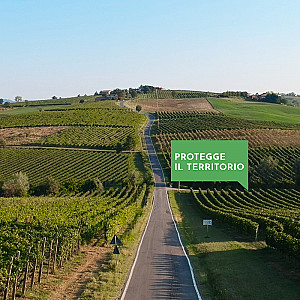
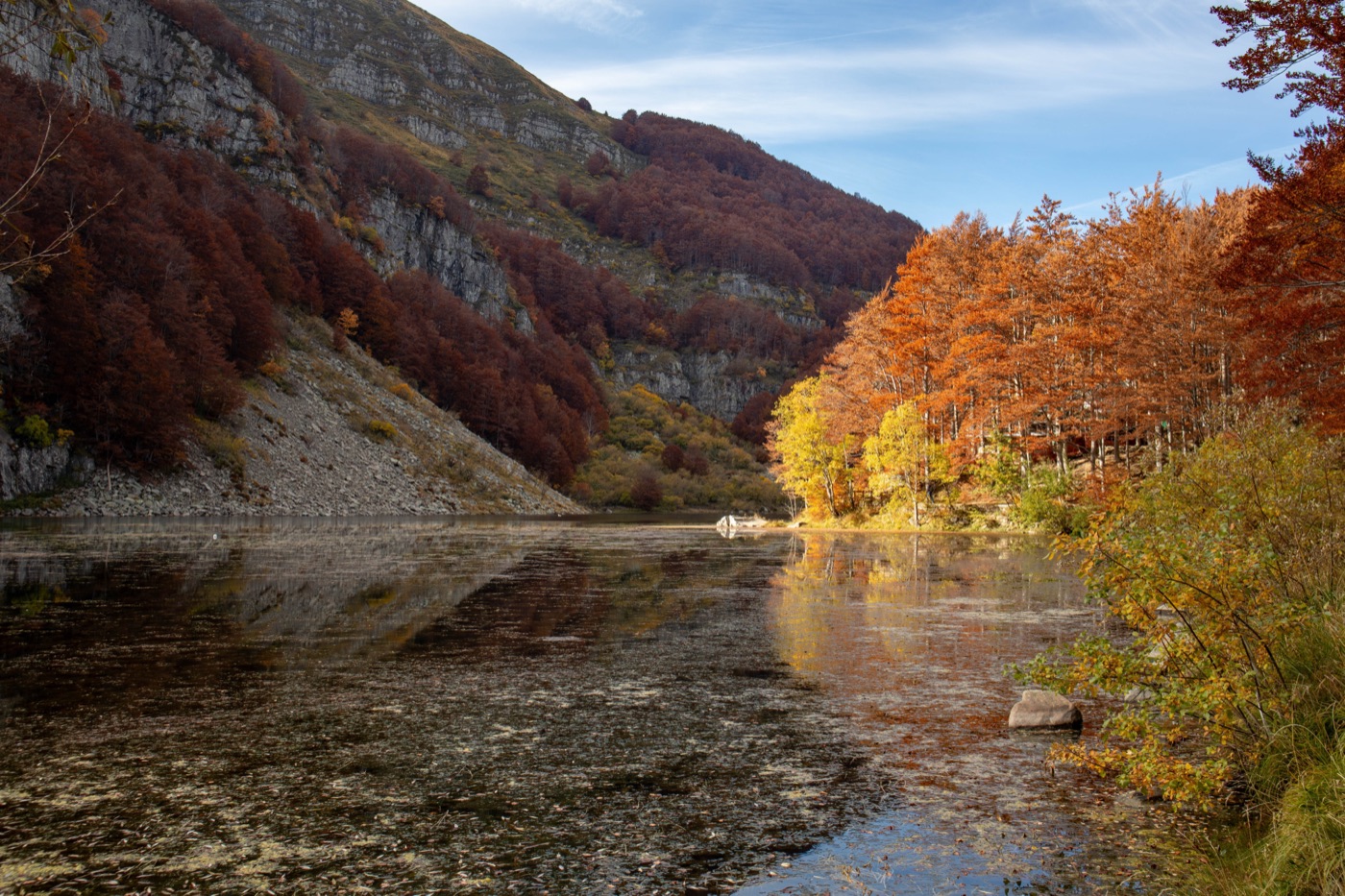
The territory of Visit Emilia (provinces of Parma, Piacenza, and Reggio Emilia) extends along an extraordinarily varied area, rising from the Po River plain up to the peaks of the Tuscan-Emilian Apennines, exceeding 2,000 meters in altitude. This variety generates a rare environmental richness capable of hosting, even within limited spaces, highly diverse ecosystems: from the wetlands of the Bassa to the glacial lakes of the Apennine ridge.
Two UNESCO Biosphere Reserves (Tuscan-Emilian Apennines and Po Grande) and numerous regional parks, alongside oases and reserves, safeguard fragile habitats, rare species, and landscapes of significant natural value.
This environmental mosaic forms the foundation of a diversified tourism offering: river cycle tourism, Apennine walking routes, slow tourism in villages, and niche winter sports.
find out moreThe territory extends from the Po Valley, crossed by the Po River, to the ridge of the Tuscan-Emilian Apennines, including different elevation zones: lower plain from the Po River to the Via Emilia, plain, hills (up to 600 m a.s.l.), and mountains.
- Tuscan-Emilian Apennines – the main mountain system, with peaks exceeding 2,000 m in the Reggio Apennines.
- Pietra di Bismantova - iconic rock formation in the Reggio area, a destination for hiking and climbing, and a source of inspiration for Dante.
- Alta Val Parma e Val Cedra (formerly Parco dei Cento Laghi) – a mountainous area in the Parma territory rich in glacial lakes.
- Val Trebbia e Val Nure - Apennine valleys in the Piacenza area, known for their valley landscapes and historic villages (Bobbio).
- Po - northern boundary of the territory, historic river axis for transport and landscape
- Trebbia - in the Piacenza area, famous for its clear waters (described by Hemingway as "the most beautiful river in Europe")
- Taro - in the Parma area, gives its name to the Val di Taro
- Enza - natural boundary between the provinces of Parma and Reggio Emilia
- Secchia - in the Reggio area, featuring natural expansion areas
- Parma, Ceno, Nure, Arda - minor watercourses, yet significant for the landscape
The Apennine watercourses are also characterized by waterfalls and small lakes along their course.
- Apennine lakes of glacial origin in Alta Val Parma, Val Cedra, the Ventasso area, and Alta Val Nure:
- Lago Santo Parmense - the largest lake in the Tuscan-Emilian Apennines
- Plains – Po Valley continental climate: hot and humid summers, cold winters with frequent fog, marked annual temperature variation
- Hills – temperate climate, transition between plain and mountain
- Apennine Mountains – cooler mountain climate, with winter snowfall supporting local ski tourism (smaller resorts such as Ventasso, Schia, and Prato Spilla)
- Parco Nazionale Dell’Appennino Tosco-Emiliano
Discover the project Mettiamo radici per il futuro - Ambiente
- 2015 - The UNESCO MAB Reserve of the Tuscan-Emilian Apennines extends along the ridge of the Tuscan-Emilian Apennines, encompassing the territories of Reggio Emilia and Parma. The area is home to 70% of all species found in Italy, including 122 species of birds, amphibians, reptiles, mammals, and fish, alongside at least 260 species of aquatic and terrestrial plants. MAB Unesco - Riserva di Biosfera Appennino Tosco-Emiliano
- 2019 - The area of the Po River known as Po Grande is now a UNESCO MAB Biosphere Reserve. It encompasses the floodplain, set among rows of poplar groves, riparian forests, small beaches, and Po Valley villages along the course of the Great River across the territories of Piacenza, Parma, and Reggio Emilia.. Home - PO GRANDE
- 2024 - This is a serial site comprising seven components, two of which are located in the province of Reggio Emilia: Alta Valle del Secchia (Tuscan-Emilian Apennines National Park) and Bassa Collina Reggiana (Reggio Hills Protected Landscape). Carsismo e Grotte nelle Evaporiti dell'Appennino Settentrionale - Unesco Commissione Nazionale Italiana per l'Unesco
Map of Educational Farms in the Province of Parma
Map of Educational Farms in the Province of Reggio Emilia
Map of Educational Farms in the Province of Piacenza
Discover the SPA & Outdoor Product Network
2025 TEP Parma Sustainability Report: Document outlining progress in sustainable mobility and the ecological fleet renewal of public transport in Parma.
Reggio Emilia and Parma Green Cities (Legambiente 2024) Urban Ecosystem 2024: Recognition of both cities in Legambiente's reports for best practices and achievements in urban sustainability.
Unimore Sostenibile: University initiative promoting energy efficiency, waste reduction, and soft mobility across its campuses.
R.O.B.I.N. Project – "Interregional Basin Operational Network" (AIPO): Experimental pilot project promoted by the UNESCO Po Grande MAB Reserve for ecological monitoring, ecosystem protection, and integrated management of the Po River basin.
SETA SpA Sustainability Report: Reporting on commitments toward decarbonisation and the ecological transition of interprovincial public transport.
IREN Group Integrated Annual Report: Single comprehensive report detailing economic performance and sustainability impacts across energy, water, and environmental networks.
Appennino Emilia Project (Visit Emilia and GAL del Ducato): Initiative promoting slow tourism and the sustainable enhancement of the Apennine area's natural and cultural heritage.
KilometroVerdeParma: Reforestation project creating green corridors to boost biodiversity and improve air quality throughout the region.
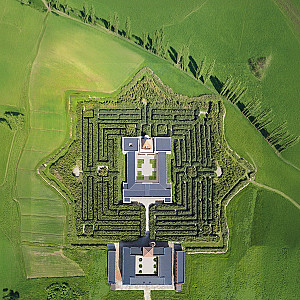

Climate change is no longer a distant phenomenon: it is already reshaping the region we live in, which welcomes thousands of visitors each year. Less predictable seasons, extreme weather events, and landscape transformations affect us all—residents, tourism operators, and visitors alike.
Understanding these changes is the first step toward adapting and taking collective action to enhance a fragile and precious territory. Every choice, from mobility to resource consumption, can contribute to protecting it for future generations without compromising its beauty and liveability.
find out moreFOR THOSE LIVING IN THE REGION:
🌡️ Warmer Summers, an Extra Small Gesture
Heatwaves are becoming increasingly frequent and intense in the plains. Move around during the cooler hours of the day, keep an eye on the elderly and children, and remember that the Apennines remain a natural refuge just a few kilometres away.
💧 Water Is a Shared Resource
During the summer months, water availability is increasingly uncertain. Mindful household water use—watering gardens in the evening, running full laundry loads—helps agriculture, thermal spas, and tourism cope better with drought.
⛈️ Extreme Weather? Stay Informed
Severe thunderstorms and hail concentrated into just a few hours are on the rise. Follow alerts from the Emilia-Romagna Civil Protection, especially if you live in hilly or Apennine areas prone to land instability.
🔥 Wildfire Risk Is Not Just a Problem for the South
The Tuscan-Emilian Apennines are also exposed to a growing risk during prolonged periods of drought. Report high-risk behavior (uncontrolled open fires) to emergency services.
🦋 Local Biodiversity Is a Heritage to Protect
Local species and habitats (from the Parco Emilia Centrale to the Tuscan-Emilian Apennines) are sensitive to climate change. Take part in initiatives organized by the Parks and Green Days (Giornate Verdi) to learn about and protect them.
FOR THOSE WORKING IN TOURISM:
⚡ Energy: Small Adjustments, Big Savings
Warmer summers weigh heavily on air conditioning energy consumption. The [Sustainability Best Practice Guide for Accommodation Facilities →] offers concrete actions across three levels (Basic, Intermediate, Advanced) to reduce costs without compromising guest comfort.
💧 Water Management: A Competitive Advantage, Not Just a Constraint
Facilities with swimming pools, gardens, or thermal spa activities can find scalable water-saving solutions in the Guide, which are also useful for communicating environmental commitment to guests who are increasingly attentive to these issues.
📅 Seasonality Is Shifting — It Is Also an Opportunity
Summer visitor peaks in cities decrease during the hottest months, while shoulder seasons (spring, early autumn) are growing, and hilly or thermal spa areas become more attractive year-round. Connect with your DTEmilia Product Network to adapt your offerings and capitalize on this trend.
🥾 The Outdoor Environment Is Changing, Keep an Eye On It
Trails, woodlands, and landscapes can be affected by extreme weather events or wildfires. Stay up to date with Parks and LAGs (GALs) regarding route conditions before promoting them to your guests.
🌿 A Marketing Asset, Not Just a Risk
Thermal spa tourism, the Apennines in autumn, and immersive nature experiences are among the opportunities that climate change is making increasingly relevant: highlighting them in customer communications is also a effective commercial lever.
FOR THOSE VISITING US:
☀️ In Summer
Expect intense heat in the cities and plains (Parma, Piacenza, Reggio Emilia), while the Apennines remain cooler. Plan outdoor activities for early morning or late evening, and always carry sufficient water.
🍂 In Autumn and 🌸 Spring
These are the ideal seasons for hiking, cycling, and tastings, offering mild temperatures—it is no coincidence that DTEmilia promotes the Cammini di Emilia and Bike Experience offerings specifically during these periods.
⛰️ Heading to the Apennines?
Check weather alerts before departing, stay informed regarding trail conditions, and respect any temporary access restrictions in the event of wildfire risks.
🐦 Respect the Nature You Visit
The region's parks and protected areas host species vulnerable to climate change: stay on marked trails and follow local guidelines, particularly in UNESCO designated areas (Po Grande, Tuscan-Emilian Apennines).
🚆 Arriving Sustainably
The direct Zurich–Piacenza/Parma/Reggio Emilia rail link and the agreement with Trenitalia make reaching Emilia easier while reducing the environmental impact of your travel.
Updated data: ARPAE – Emilia-Romagna Climate Observatory
Climate Change Risks and Opportunities Analysis
Dati aggiornati: ARPAE – Osservatorio Clima Emilia-Romagna

Accomodation Facilities
Farmers
Restaurants
Service Providers
Tour Operator
Agritourism
Sports and entertainment activities
Hiking Guides
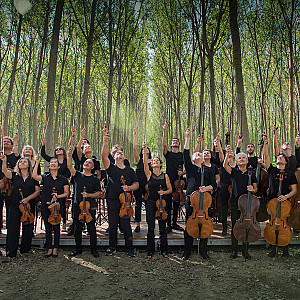

To achieve GSTC certification, we are actively engaging all those who work alongside us to promote and safeguard the hospitality, beauty, and authenticity of our region and its offerings.
To date, the journey has been long and demanding, yet deeply rewarding, reaffirming that we are on the right path!
find out more

Provincial capitals:
Parma, Piacenza e Reggio Emilia
Municipalities
Inhabitants
Area (km²)
PDO and PGI products
Dairies
Charcuterie producers
ABTRE producers
Wineries
Michelin-starred restaurants
Michelin Green Star restaurants
Food museums
Museums
Modern and historic theatres
Castles and fortresses
Certified historic villages
National park
Regional parks, oases and reserves
Po River, km
Spas
UNESCO recognitions
Historic pilgrim routes
Certified tourism operators
